


Power Purchase Agreement (PPA) Template Contract: A Step Towards Simplifying Access to the PPA Market
In a world increasingly shaped by renewable energies, Power Purchase Agreements (PPAs) have become an essential tool for buying and selling electricity. The Renewable Energy Market Offensive, an initiative of the German Energy Agency (dena), has recently taken a groundbreaking step in collaboration with partners by publishing a template contract for PPAs. This innovative contract not only includes practical Guidance Notes but also offers a standardized basis for contract processing. In particular, small and medium-sized enterprises as well as municipal utilities are thus enabled to enter the market without deep knowledge of PPA contracts. This development marks a significant advancement in promoting renewable energies and promises a more diverse and sustainable energy future. In this article, we will take a closer look at the details of this new PPA template contract and discuss the potential impacts on the energy sector.
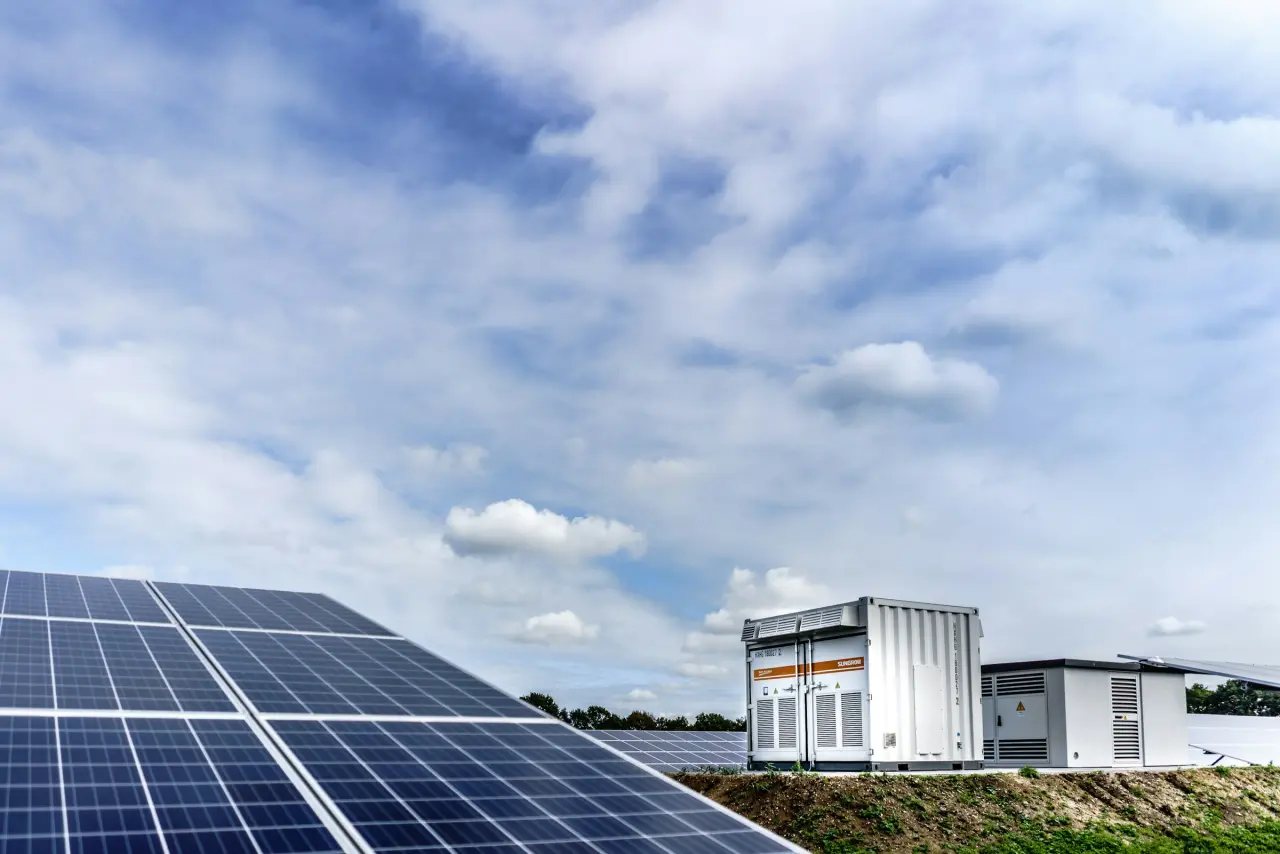
Renewable Energy Market Offensive Publishes Power Purchase Agreement (PPA) Template Contract
The Renewable Energy Market Offensive, an initiative of the German Energy Agency (dena), has published a template contract for Power Purchase Agreements (PPAs) in collaboration with other partners, which also includes explanations in the form of Guidance Notes. This contract is intended to enable companies, especially small and medium-sized enterprises as well as municipal utilities (electricity consumers), to conclude supply contracts without comprehensive knowledge of PPA contract types and electricity market effects, thus facilitating access to the PPA market.
The template contract is designed as a baseload delivery, meaning that the seller must continuously supply the same amount of electricity from renewable energies. If the plant produces more or less electricity than agreed in the contract, the seller is obliged to procure or sell the deviating amounts of electricity elsewhere. However, the contract can be easily adapted to a pay-as-produced structure, where electricity is taken according to actual production. Furthermore, the contract is suitable for newly constructed plants for electricity supply via the public grid (Off-Site PPA).
The German Solar Industry Association sees this template contract as a recommendable first legal basis on which project-specific legal advice and contract negotiations can be built.
Definitions of Individual Terms
In these contexts, terms are often thrown around, which we explain in the following section for better understanding.
Power Purchase Agreement (PPA)
A Power Purchase Agreement (PPA) is a legal contract between an electricity producer and an electricity consumer that sets the terms for the purchase and sale of electricity. This agreement typically defines the price per unit of electricity, the agreed amount of electricity to be delivered over a specific period, and the duration of the contract. PPAs are increasingly widespread in the energy industry, especially in the field of renewable energies, as they enable electricity producers to secure long-term purchase agreements, thus facilitating the financing and expansion of renewable energy projects for which there would otherwise be no remuneration under the Renewable Energy Sources Act (EEG).
Baseload
Baseload refers to the base load of electricity that is continuously needed to ensure basic supply. In a Power Purchase Agreement designed as a baseload, the electricity producer commits to delivering a constant amount of electricity, regardless of fluctuations in electricity generation. This baseload supply forms the backbone of the power grid and ensures that a continuous electricity supply is guaranteed even during periods of lower demand. It offers planning security for the electricity buyer. The risk of electricity fluctuations is borne by the electricity producer. Solar power producers must therefore also deliver electricity at night and procure it elsewhere on the electricity market to deliver it to the buyer.
Pay-as-produced
In a pay-as-produced contract, the amount of electricity actually produced by the generation plant is delivered to the buyer. This means that the electricity consumer only receives the amount of electricity that is actually produced by the photovoltaic plant, and not a predetermined amount of electricity regardless of production. Pay-as-produced contracts offer a fixed remuneration for the electricity producer who can sell the entire amount of electricity produced. This provides security for the producer. The risk of fluctuations in generation is borne by the electricity consumers. Buyers of electricity will therefore calculate a small risk discount. Pay-as-produced contracts are particularly attractive for electricity producers who are only minimally active in the electricity market themselves.
German Energy Agency (dena)
The German Energy Agency (dena) is an organization committed to promoting energy efficiency, renewable energies, and intelligent energy systems in Germany. It works on the development and implementation of strategies and measures for the energy transition to advance the transition to a sustainable energy supply and achieve climate goals. Dena acts as an initiator, advisor, and mediator between government, business, and society, supporting companies and institutions in implementing energy-efficient measures and renewable energy projects.
Our Recommendations for Power Purchase Agreements (PPA)
For electricity producers, we at ENLAPA recommend that only experienced players in the electricity market choose the 'Baseload' variant when designing Power Purchase Agreements (PPAs). These professionals have the necessary know-how and resources to manage the risk of fluctuations in electricity generation, i.e., to compensate with other generation plants or to trade the missing electricity demand on the exchange. Only experienced players are able to assess the long-term risk associated with a baseload contract.
For smaller electricity producers who may not have the same resources and experience, we recommend using pay-as-produced contracts. Through this structure, they can minimize their risk and receive the contractually agreed remuneration for the entire electricity generated by the plant. This is simple and easy to forecast.
For banks, financing plants that market their electricity through Power Purchase Agreements is also new territory. Our experience shows that banks require about 20 to 30% equity ratios. Therefore, PPA plants are only suitable for very financially strong players.
The right choice between baseload and pay-as-produced depends on various factors, including risk appetite, financial resources, and experience in the electricity market. We therefore emphasize the need for careful examination and advice to find the optimal solution for each player.
In conclusion, we would like to emphasize that Power Purchase Agreements (PPAs) play a significant role in the energy sector and make an important contribution to promoting renewable energies. The publication of the PPA template contract by the Renewable Energy Market Offensive offers companies a valuable resource to facilitate access to the PPA market. Furthermore, the flexibility of pay-as-produced contracts enables a tailored and demand-oriented electricity supply that strengthens the adaptability and competitiveness of companies. We therefore encourage all interested parties to take advantage of these new developments and actively shape the future of energy supply.